
Why Traveling With Strangers Is Actually Better Than Going With Friends
Discover why traveling with strangers can be more fun than going with friends. Less planning, fewer compromises and unforgettable experiences. Updated for 2026.
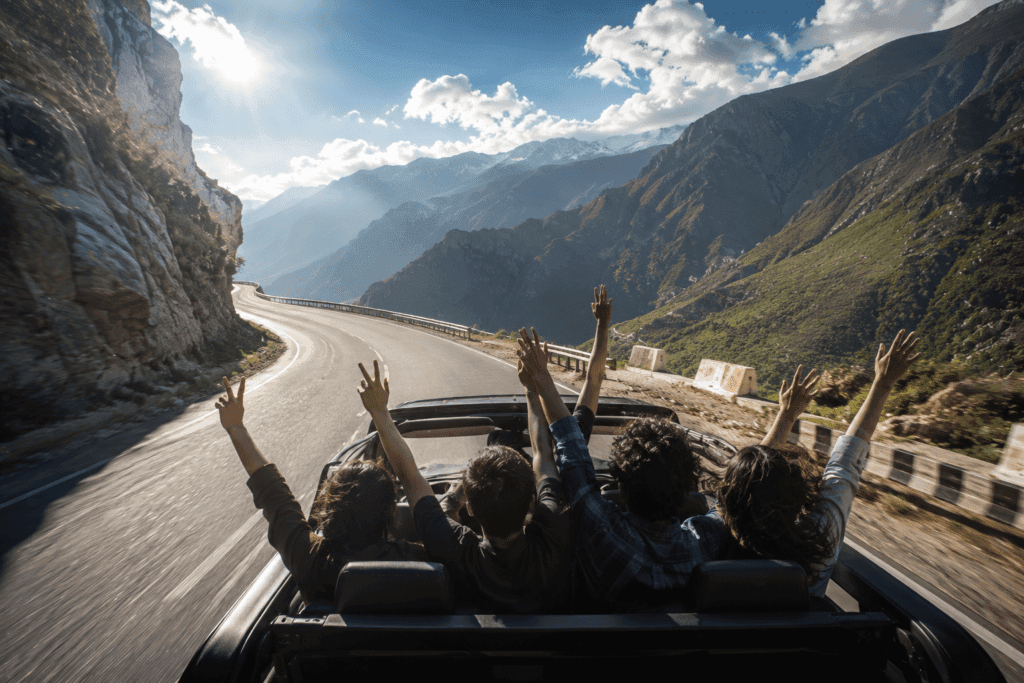
Short answer? Because when you travel with friends, you’re often managing relationships. When you travel with strangers, you’re simply enjoying the journey.
That doesn’t mean your friends are the problem. It just means group trips come with expectations, compromises and years of shared history that quietly shape every decision.
Friend Group Trips Come With Hidden Baggage
Every friend group has its own dynamics. Someone always ends up planning everything. Someone is always late. Someone doesn’t want to wake up early. Someone is trying to save money while someone else wants luxury.
Suddenly, the trip stops being about exploring a new place and becomes about making sure everyone stays happy.
Instead of asking, “What’s the best thing to do here?” you’re asking, “What will everyone agree on?”
The final itinerary usually becomes a compromise instead of anyone’s ideal trip.
Strangers Don’t Bring Any History
When you join a group where nobody knows you, everything feels lighter.
Nobody knows your old stories.
Nobody expects you to behave a certain way.
You’re not the responsible one, the quiet one or the friend who’s always late.
You’re simply another traveller looking for a good weekend.
That freedom is surprisingly refreshing.
For two or three days, you get to be completely yourself without carrying years of expectations.
More People Are Choosing This
More young travellers are choosing organised group trips instead of waiting for their friends to be free.
The reason is simple.
Finding one free weekend for six different people has become harder than booking a trip itself.
Rather than waiting months for everyone’s schedules to match, people are choosing to travel when they want.
The friendships often happen naturally once the journey begins.
What Actually Happens on a Group Trip?
Almost nobody knows each other on Day 1.
By Day 2, people are already sharing playlists, exchanging Instagram IDs and taking group photos together.
A sunrise trek.
A midnight chai stop.
A long road trip.
A bonfire in the mountains.
Shared experiences build friendships much faster than endless conversations online.
That’s why people often leave with new friends instead of just good photos.
There’s Less Negotiation
One of the biggest advantages of organised group trips is that everything is already planned.
You don’t spend hours deciding where to eat.
Nobody argues about which café to visit.
Nobody cancels the trek because they don’t feel like waking up.
The itinerary is already designed.
You simply show up and enjoy it.
Is This for Everyone?
Not necessarily.
If your friend group travels well together, that’s amazing.
But many groups spend weeks discussing dates, budgets and destinations without ever booking anything.
If that sounds familiar, the problem usually isn’t your friends.
It’s trying to coordinate too many people with different schedules.
Sometimes the easiest solution is to book your seat and just go.
The Bottom Line
Traveling with strangers isn’t better because your friends are bad travel partners.
It’s better because it removes the planning, the compromises and the pressure that often come with group trips.
You get new experiences, new conversations and sometimes friendships you never expected.
The best stories often begin with a bus full of people who didn’t know each other yesterday.
FAQs
Is it safe to travel with strangers?
Yes, provided you choose an organised group trip with experienced trip captains, verified accommodations and a fixed group size.
Will I feel awkward if I don't know anyone?
Almost everyone feels that way at first. Usually, within a few hours people start talking, and by the first dinner the group begins to bond naturally.
Is traveling with strangers good for introverts?
Yes. There is no pressure to behave a certain way. You can socialise at your own pace and participate only when you feel comfortable.
What is the ideal group size?
Around 15 to 25 travellers is usually ideal. It's large enough to meet different people while still being small enough to know everyone by the end of the trip.
Do people actually stay in touch after these trips?
Yes. Many travellers stay connected through social media, plan future trips together and remain friends long after the journey ends.
Рекомендую https://yarus-kkt.ru/kak-pravilno-vypolnit-moshhenie-uchastka-trotuarnoj-plitkoj/
Bài viết hay, mình học được nhiều điều. Letco là địa chỉ du học Hàn Quốc đáng tin cậy, hỗ trợ toàn diện từ tiếng Hàn đến visa. Xem tại letco.vn.